
Discover the Benefits of Herbal Hair Oils

In a world where hair care products are abundant, herbal hair oils stand out as a natural solution for maintaining healthy hair. These oils, derived from various plants and herbs, offer a multitude of benefits that can transform your hair care routine. Whether you're struggling with dryness, hair loss, or simply want to enhance your hair's shine, herbal hair oils can be your go-to remedy.
What Are Herbal Hair Oils?
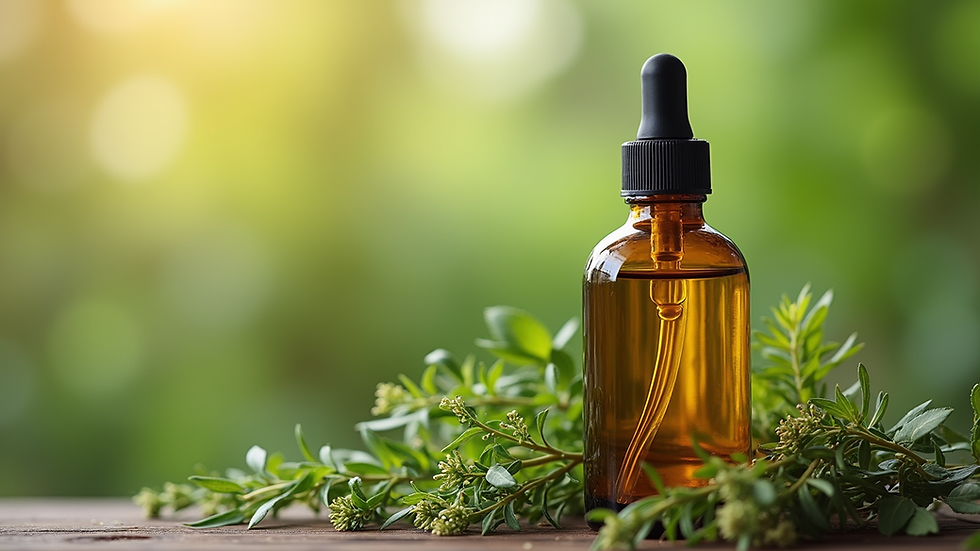
Herbal hair oils are natural oils infused with the goodness of herbs and plants. They are often rich in vitamins, minerals, and essential fatty acids that nourish the hair and scalp. Unlike synthetic hair products, herbal oils are free from harsh chemicals, making them a safer choice for those looking to improve their hair health.
Common Ingredients in Herbal Hair Oils
Coconut Oil: Known for its moisturizing properties, coconut oil penetrates the hair shaft, reducing protein loss and preventing damage.
Amla Oil: Extracted from the Indian gooseberry, amla oil is rich in vitamin C and antioxidants, promoting hair growth and preventing premature graying.
Brahmi Oil: This oil is known for its calming properties and is believed to strengthen hair follicles, reducing hair fall.
Neem Oil: With its antibacterial and antifungal properties, neem oil helps in treating dandruff and maintaining a healthy scalp.
Jojoba Oil: Similar to the natural oils produced by our scalp, jojoba oil helps in moisturizing and balancing oil production.
Benefits of Using Herbal Hair Oils
Promotes Hair Growth
One of the most significant benefits of herbal hair oils is their ability to promote hair growth. Ingredients like amla and brahmi are known to stimulate hair follicles, encouraging new hair growth. Regularly massaging these oils into the scalp can improve blood circulation, which is essential for healthy hair growth.
Reduces Hair Fall
Herbal hair oils can also help reduce hair fall. Oils like neem and coconut are known for their strengthening properties. They nourish the hair from the roots, making it less prone to breakage. A consistent application can lead to thicker, healthier hair over time.
Moisturizes and Conditions
Dry hair can lead to frizz and split ends. Herbal oils provide deep conditioning, locking in moisture and keeping hair hydrated. Coconut oil, in particular, is excellent for this purpose, as it penetrates the hair shaft effectively.
Improves Scalp Health
A healthy scalp is crucial for healthy hair. Herbal oils can help maintain scalp health by addressing issues like dandruff and itchiness. Neem oil, with its antifungal properties, is particularly effective in combating dandruff, while brahmi oil soothes irritation.
Adds Shine and Luster
Regular use of herbal hair oils can enhance the natural shine of your hair. Oils like jojoba and coconut not only nourish the hair but also create a protective layer that reflects light, giving your hair a beautiful luster.
How to Use Herbal Hair Oils
Pre-Wash Treatment
For best results, apply herbal hair oil as a pre-wash treatment. Here’s how:
Warm the Oil: Slightly warm the oil to enhance its absorption.
Massage into Scalp: Use your fingertips to massage the oil into your scalp in circular motions.
Apply to Hair: Work the oil through the lengths of your hair, focusing on the ends.
Leave it On: Allow the oil to sit for at least 30 minutes, or overnight for deeper conditioning.
Wash Out: Use a mild shampoo to wash out the oil.
As a Leave-In Conditioner
You can also use herbal oils as a leave-in conditioner. Here’s how:
Use Sparingly: Take a small amount of oil and rub it between your palms.
Apply to Damp Hair: Apply it to the ends of your damp hair to lock in moisture and prevent frizz.
Style as Usual: Style your hair as you normally would.
Choosing the Right Herbal Hair Oil
With so many options available, choosing the right herbal hair oil can be overwhelming. Here are some tips to help you make the right choice:
Identify Your Hair Type: Different oils work better for different hair types. For example, coconut oil is great for dry hair, while jojoba oil is ideal for oily hair.
Check the Ingredients: Look for oils that contain natural ingredients without added chemicals or preservatives.
Consider Your Hair Concerns: If you're dealing with hair loss, opt for oils like amla or brahmi. For dandruff, neem oil is a better choice.
DIY Herbal Hair Oil Recipes
Creating your own herbal hair oil can be a fun and rewarding experience. Here are two simple recipes you can try at home.
Amla and Coconut Oil Blend
Ingredients:
1 cup coconut oil
2 tablespoons dried amla powder
Instructions:
Heat the coconut oil in a pan.
Add the dried amla powder and simmer for 10 minutes.
Strain the oil and let it cool before storing it in a bottle.
Neem and Jojoba Oil Mix
Ingredients:
1 cup jojoba oil
2 tablespoons neem oil
Instructions:
Combine both oils in a bottle.
Shake well before each use.
Conclusion
Herbal hair oils offer a natural and effective way to care for your hair. From promoting growth to improving scalp health, the benefits are numerous and well worth exploring. By incorporating herbal oils into your hair care routine, you can achieve healthier, shinier hair without the harsh chemicals found in many commercial products.
Take the plunge and try herbal hair oils today. Your hair will thank you!


Comments